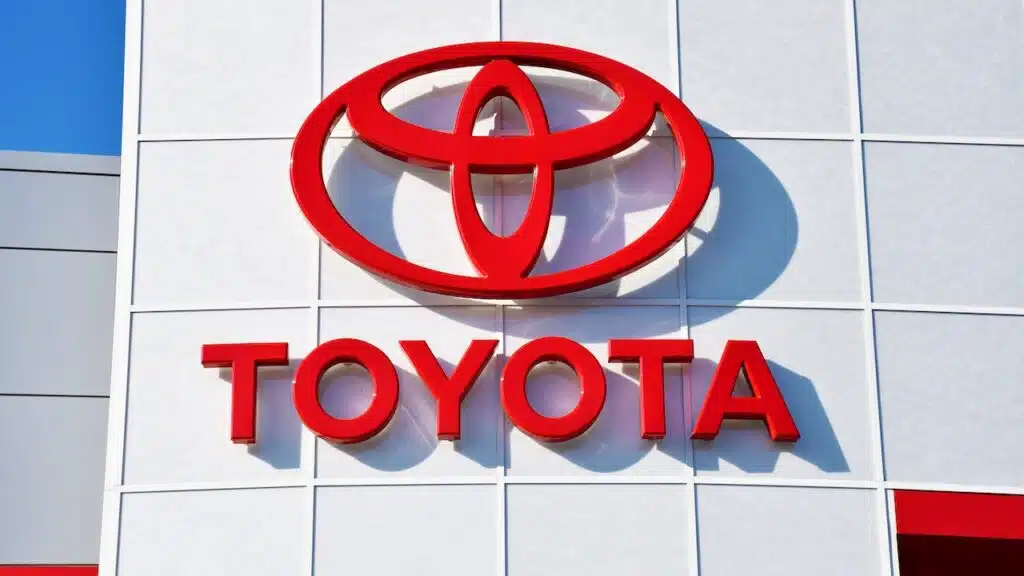
 A number of consumers have complained of Toyota Bluetooth problems when attempting to use the vehicle’s “hands-free” feature for cell phone conversations. These Bluetooth echo issues have been a cause of action in at least one recently filed class action lawsuit against the Japanese automaker.
Plaintiffs allege Toyota was aware of the problem as far back as 2008, the first year the Bluetooth feature was made available in several of the company’s models.
About Bluetooth
Bluetooth is a form of wireless technology designed for the transmission of data over short distances (usually no more than 33 feet). It employs ultra high radio frequencies (approximately 2.45 gigahertz) that have been reserved for industrial, scientific and medical devices.
The technology that is at the root of alleged Toyota Bluetooth problems was first developed by two Swedish engineers in 1989 as part of a project to come up with a wireless headset.
The appellation “Bluetooth” comes from the nickname of a 10th-Century Viking king, Harald Bluetooth (so-called because of his rotten teeth) whose claim to fame was uniting various warring Scandinavian tribes under his rule. The name was chosen because Bluetooth technology unites various communication protocols, allowing cell phones, computers and tablets to “talk” to one another.
Toyota Bluetooth Problems
Plaintiffs in the recent class action lawsuit filed in St. Louis, Mo. as well as Toyota owners posting on internet forums have complained that when they attempt to hold phone conversations with the Bluetooth feature, the person on the far end of the call hears heavy echoes. These kind of Toyota Bluetooth problems, they say, make the feature “virtually unusable.”
What Did Toyota Know?
Toyota began installing the Bluetooth system in several of its production vehicles for the 2008 model year. Plaintiffs believe that the manufacturer was aware of the echo problem from the beginning, citing the Owner’s Manuals. The manuals caution owners to keep the volume low when using the hands-free feature. One section of the manual advises: “If the received call volume is overly loud, an echo may be heard.” Another warns, “When talking on the phone, keep the volume of the receiving voice down, Otherwise, the voice echo will increase.”
Because of these similar statements, which are still included for today’s models, plaintiffs in the current class action claim that Toyota is essentially admitting that “voice echo is inherent in the system.”
The company, in other claims, is also accused of concealing defects in the cars’ HVAC systems.
Plaintiffs say that “references [in the owner’s manual] to an echo do not adequately capture the severity of the echo defect.” They also state that the manufacturer did not furnish buyers with any information about the the Toyota Bluetooth problem prior to purchasing or leasing.
Which Toyota Models are Affected?
Toyota models built from 2007 to the present that have the echo problem include:
- 4Runner
- Avalon
- Highlander
- Prius
- Sequoia
- Sienna
- Tacoma
- Tundra
If you purchased one of these vehicles, and suffer issues with the Bluetooth, you may be eligible to file or join a lawsuit.
Join a Free Toyota Bluetooth Class Action Lawsuit Investigation
If you own a Toyota vehicle that includes a Bluetooth hands-free phone system that produces an echo when using the phone system, you may qualify to join this Toyota Bluetooth class action lawsuit investigation.
This article is not legal advice. It is presented
for informational purposes only.
ATTORNEY ADVERTISING
Top Class Actions is a Proud Member of the American Bar Association
LEGAL INFORMATION IS NOT LEGAL ADVICE
Top Class Actions Legal Statement
©2008 – 2026 Top Class Actions® LLC
Various Trademarks held by their respective owners
This website is not intended for viewing or usage by European Union citizens.

Diagnosed with a brain tumor after using Depo Provera? Legal help is available
December 22, 2025 | Lawsuits to Join