J&J Claims They Warned of Vaginal Mesh Implant Side Effects
By Andrea Gressman
 If you’ve been following the vaginal mesh lawsuit trial currently underway involving plaintiff Linda Gross and her lawsuit against Johnson & Johnson subsidiary Ethicon, you are likely aware of the back and forth that has gone on during the heated testimony from both the plaintiff and defendants. However, one of the most shocking statements likely came from Ethicon’s attorney in her closing arguments Friday when she made the claim that Ethicon properly warned potential users of the side effect risks associated their Gynecare Prolift vaginal mesh implant.
The company’s attorney continued to encourage the jurors to reject the product liability lawsuit completely, stating that the vaginal mesh implant was designed correctly. According to the attorney, “Prolift has been studied and studied extensively. It is not a defective or unreasonably dangerous product. Our position is that Prolift is a safe and effective product, that Ethicon adequately warned doctors of the risks, that doctors knew of the risks.”
However, Ms. Gross, the plaintiff who went through 18 surgeries due to the side effects the vaginal mesh implant caused – as well as the thousands of other vaginal mesh victims who are suing over their injuries – would strongly disagree with these statements. In fact, this particular vaginal mesh lawsuit is only the first of 1,800 other cases currently pending against Ethicon and other vaginal mesh manufacturers.
In this current vaginal mesh lawsuit, like many others, the plaintiff accuses J&J of withholding the side effect risk of Gynecare Prolift from the medical community and the general public. Ms. Gross received her vaginal mesh implant on July 13, 2006. According to her attorney, Ethicon was aware of the implants potential side effects prior to placing the device on the market in March 2005.
Her attorney told jurors, “What we’ve established during this trial is this is something that shouldn’t have been sold. We know that there was a failure to warn, and there was causation as a result of the failure to warn. We know that tragic decision to put in the Prolift destroyed Linda’s life.”
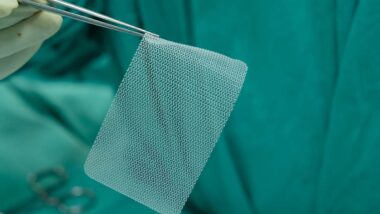
The Prolift vaginal mesh implant is made of polypropylene mesh and was implanted by using an incision in the vagina. Gross’ lawyer explained that the manufacturer was aware that the pain and suffering that the vaginal mesh implant caused, yet the continued to market and sell the item without providing any warning to physicians of these risks or instructing them on how to properly remove the vaginal mesh implant should side effects occur.
The questions that the jurors will have to answer in order to proceed with a judgment are as follows:
- Was the vaginal mesh implant defectively designed?
- Did the vaginal mesh implant manufacturer fail to provide proper warnings to the patient and her surgeon?
- Did the vaginal mesh implant manufacturer make false and misleading representations to the plaintiff?
If the jurors answer “yes” to the above questions they will then have to answer if the vaginal mesh implant caused the plaintiff’s injuries. From there the jury will have to make a determination on the amount of compensation the plaintiff should receive for her medical expenses, lost wages, pain and suffering, as well as the other claims Gross has made against Johnson & Johnson.
If you received a vaginal mesh implant and experienced severe side effects it is important for you to know your legal options. Visit the Transvaginal Mesh, Vaginal Sling, Vaginal Mesh and Bladder Sling Class Action Lawsuit Investigation page and receive your free legal review from a qualified vaginal mesh lawsuit attorney.
Updated February 18th, 2013
All medical device, dangerous drug and medical class action and lawsuit news updates are listed in the Drug and Medical Device section of Top Class Actions.
Top Class Actions Legal Statement

Suing for unpaid wages in California: Recover unpaid overtime, back pay and more
April 2, 2026 | Legal News