
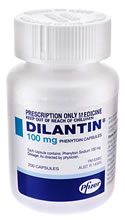
 Dilantin is a very popular antiepileptic drug used to control seizures in patients who experience abnormal brain activity. The drug tends to be fairly well-tolerated and is effective, but like all medications does have some side effects.and
Because it is mostly well-tolerated, other applications for the drug have been used as well. In addition to seizure treatment, Dilantin is also prescribed by doctors to treat unstable moods that are seen in bipolar depression, anxiety, depression, OCD, irregular heartbeat, ADHD, migraines and more.
Side Effects of Dilantin Use
As with any drug, Dilantin has a number of common, and usually mild, side effects associated with its use. These common Dilantin side effects include:
• Constipation
• Dizziness
• Drowsiness
• Insomnia
• Loss of balance of coordination
• Mild Dilantin rash
• Nausea
• Slurred speech
• Swollen gums
• Tremors
• Vomiting
Many of the side effects experienced by Dilantin are temporary and go away after the medication has been used for a while, but some are more impactful.
SJS: A Rare Dilantin Side Effect
While it is uncommon in general, Stevens Johnson Syndrome (SJS) is not a totally unknown occurrence in Dilantin users. Dilantin has been linked to an increased incidence of the development of Stevens Johnson Syndrome, but it is unclear exactly why.
SJS is estimated to affect around two to three individuals per million per year. In the U.S., that would be roughly 630 to 950 cases per year.
Stevens Johnson Syndrome is an immune reaction that is most often seen as a reaction to a drug. Dilantin is one of the known drugs linked with development of the condition.
Often the condition starts off with flu-like symptoms, complete with achiness, fatigue, sore throat, fever, and general feelings of malaise. Many individuals shrug the symptoms off, attributing them to feeling under the weather or catching a cold.
After the flu-like symptoms appear, the characteristic SJS Dilantin rash begins to develop. The SJS rash can appear anywhere on the body and consists of purple or red blisters.
These blisters are commonly found in the mucous membranes of the body, such as the eyes, nose, mouth, and genital areas. Pain and swelling of the tongue is also commonly experienced.
The skin affected by the blisters and rash then begins to die, and layers of skin slough off in the process. This leaves vulnerable layers of skin exposed and can pose an additional risk of infection.
A small area of the body can be affected, covering up to 30% of the body; as it progresses past 30% of the skin area affected, the condition is upgraded to Toxic Epidermal Necrolysis (TEN).
SJS Treatment
There is no cure for Stevens Johnson Syndrome or Toxic Epidermal Necrolysis, and only treatment of the symptoms can be used to help patients. Often times, due to the nature of the skin involvement, patients are treated at the burn unit of the hospital or in the ICU.
Interventions focus around keeping the patient comfortable with pain medications, and covering the wounds to prevent infection. Steroids may be administered to decrease inflammation and IV fluids are given to keep patients well-hydrated.
Dilantin SJS can last from weeks to months. About 5% of patients diagnosed with SJS have fatal outcomes; with TEN, the number increases to 25-35%.
Dilantin SJS Lawsuit Information
If you or a loved one has experienced SJS or TEN as a result of taking Dilantin, you may be eligible for legal compensation. Our attorneys offer complimentary case reviews and can assist you in determining if filing a Dilantin Stevens Johnson Syndrome Lawsuit is right for you.
Do YOU have a legal claim? Fill out the form on this page now for a free, immediate, and confidential case evaluation. The SJS attorneys who work with Top Class Actions will contact you if you qualify to let you know if an individual lawsuit or Dilantin class action lawsuit is best for you. [In general, Dilantin lawsuits are filed individually by each plaintiff and are not class actions.] Hurry — statutes of limitations may apply.
ATTORNEY ADVERTISING
Top Class Actions is a Proud Member of the American Bar Association
LEGAL INFORMATION IS NOT LEGAL ADVICE
Top Class Actions Legal Statement
©2008 – 2026 Top Class Actions® LLC
Various Trademarks held by their respective owners
This website is not intended for viewing or usage by European Union citizens.
Get Help – It’s Free
Help for Victims of Stevens Johnson Syndrome
If you or a loved one were diagnosed with Stevens Johnson Syndrome (SJS) or toxic epidermal necrolysis (TEN) after taking a prescribed or over-the-counter medication, you may be eligible to take legal action against the drug’s manufacturer. Filing an SJS lawsuit or class action lawsuit may help you obtain compensation for medical bills, pain and suffering, and other damages. Obtain a free and confidential review of your case by filling out the form below.
An attorney will contact you if you qualify to discuss the details of your potential case at no charge to you.
Oops! We could not locate your form.












One thought on Stevens Johnson Syndrome: A Potentially Fatal Reaction to Dilantin