
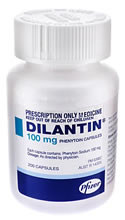
Recent research suggests that Dilantin may be one of the drugs most likely to cause a patient to experience Stevens Johnson Syndrome (SJS). Considering that this one of America’s most popular anti-epileptic drugs, medical experts are growing more concerned with additional reports of this reaction.
Numerous studies are underway to try to determine what causes SJS reactions, including one that found a specific genetic structure in victims who used Dilantin. In a study published in the Journal of the American Medical Association (JAMA), researchers from Taiwan identified one gene variant that seemed to be susceptible to the potentially deadly skin reaction. The study was meant to help prescribing doctors avoid giving medications known to cause SJS to patients more likely to suffer the reaction.
Researchers observed a case-controlled trial of 105 cases from 2002-2014 who had been prescribed certain medications and suffered either Stevens Johnson Syndrome and Toxic Epidermal Necrolysis, and other similar reactions. They also observed 130 patients who reacted well to Dilantin, and compared the results of a control group of approximately 3,655 subjects from Taiwan, Japan and Malaysia.
The scientists had theorized that a certain genetic trait might be more vulnerable to the condition. At the end of the study, they found that patients carrying certain variants of the CYP2C gene appeared to be more likely to suffer Stevens Johnson Syndrome and other severe skin reactions when taking Dilantin.
In 2008, the U.S. Food and Drug Administration (FDA) issued a warning about Dilantin and other drugs that may cause Stevens Johnson Syndrome. This has led victims to file SJS lawsuits against manufacturing companies. The plaintiffs often allege that there were no warnings or indications on the drug’s warning labels that it could cause this side effect.
Overview of Stevens Johnson Syndrome
Stevens Johnson Syndrome is a severe and rare allergic skin reaction that is typically brought on by medication. This condition is commonly characterized by red or purple skin lesions that can appear on up to 30 percent of the skin’s surface. Its more extreme cousin, Toxic Epidermal Necrolysis, appears in the same fashion, but is known to cover up to 90 percent of the body. The condition typically starts out with flu-like symptoms and appears within two weeks of starting the medication.
Due to the nature of the injuries patients suffer, the patients are often taken to burn units of the hospitals where skin grafts can be given. The skin lesions cause the infected to fall-off or detach, giving it a melting effect. If this condition is not diagnosed correctly, it could lead the patients to suffer blindness, permanent scarring, or amputation.
In general, Dilantin Stevens Johnson Syndrome lawsuits are filed individually by each plaintiff and are not class actions.
Do YOU have a legal claim? Fill out the form on this page now for a free, immediate, and confidential case evaluation. The attorneys who work with Top Class Actions will contact you if you qualify to let you know if an individual lawsuit or class action lawsuit is best for you. Hurry — statutes of limitations may apply.
ATTORNEY ADVERTISING
Top Class Actions is a Proud Member of the American Bar Association
LEGAL INFORMATION IS NOT LEGAL ADVICE
Top Class Actions Legal Statement
©2008 – 2026 Top Class Actions® LLC
Various Trademarks held by their respective owners
This website is not intended for viewing or usage by European Union citizens.
Get Help – It’s Free
Join a Free Dilantin Stevens Johnson Syndrome Class Action Lawsuit Investigation
If you or a loved one were diagnosed with Stevens Johnson Syndrome (SJS) or toxic epidermal necrolysis (TEN) after taking a prescribed or over-the-counter medication, like Dilantin, you may be eligible to take legal action against the drug’s manufacturer. Filing an SJS lawsuit or class action lawsuit may help you obtain compensation for medical bills, pain and suffering, and other damages. Obtain a free and confidential review of your case by filling out the form below.
An attorney will contact you if you qualify to discuss the details of your potential case at no charge to you.
Oops! We could not locate your form.










One thought on SJS Reactions From Dilantin Examined in New Study