What is a Laparoscopic Power Morcellator?
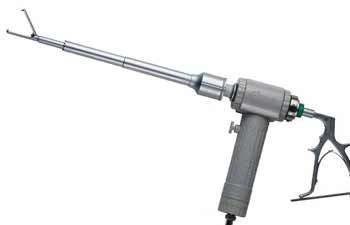
Laparoscopic power morcellators are medical devices that surgeons use to break up uterine fibroids during fibroid surgery.
They are somewhat similar to a small drill, and its small blade rapidly rotates through an incision to break up fibroid tissues. The tool makes extremely small incisions, and is therefore considered a less invasive procedure than some alternatives.
Surgeries That Commonly Use a Morcellator
Surgical procedures that often use a laparoscopic power morcellator include the following:
- Robotic hysterectomy
- Morcellation hysterectomy
- Laparoscopic hysterectomy
- Fibroid removal surgery
- Myomectomy
Risk of Power Morcellation for Uterine Procedures
Reports of power morcellation complications associated with gynecological surgeries such as hysterectomies or myomectomies have been increasing in recent years.
During a fibroid surgery, a power morcellator cuts up uterine fibroids for removal. If the uterus or uterine fibroids contain some form of uterine cancer, the power morcellator, cutting tissue into tiny pieces, can actually spread cancer cells throughout the body.
Many women develop these kinds of fibroids, but usually they do not cause symptoms, and so in most cases are safe. For other women, these fibroids can cause prolonged menstrual bleeding, as well as pelvic pain and other unwanted symptoms.
According to the FDA, approximately 1 in 350 women who undergo the morcellation of fibroids will have undetected uterine cancer that can spread to other parts of the body, taking root and becoming a potentially life-threatening cancer.
The cancer risks associated with morcellation of fibroids include:
- Uterine cancer
- Endometrial cancer
- Ovarian sarcomas/cancer
- Leiomyosarcoma
The FDA warns against using laparoscopic power morcellators in the majority of women undergoing hysterectomy or myomectomy for uterine fibroids.
Power Morcellator Lawsuit Information
A growing number of people respond to these kinds of complications follwing a power morcellator surgery by filing a power morcellator lawsuit. These lawsuits typically allege that a diagnosis with a variety of cancers occurred as a direct result of undergoing surgery that involved the morcellation of uterine fibroids.
These power morcellator lawsuit plaintiffs allege that, had they been adequately warned about the potential dangers of power morcellation, they would not have agreed to the procedure.
While a power morcellator lawsuit cannot take away the pain and suffering caused by living with cancer, it can offer financial compensation to help with medical payments and lost wages, as well as relieving stress. If you or someone you know has undergone a surgery where a doctor has used a power morcellator, and have since developed cancer, you may be able to file a power morcellator lawsuit.
Do YOU have a legal claim? Fill out the form on this page now for a free, immediate, and confidential case evaluation. The morcellation cancer attorneys who work with Top Class Actions will contact you if you qualify to let you know if an individual lawsuit or class action lawsuit is best for you. [In general, morcellator cancer lawsuits are filed individually by each plaintiff and are not class actions.] Hurry — statutes of limitations may apply.
ATTORNEY ADVERTISING
Top Class Actions is a Proud Member of the American Bar Association
LEGAL INFORMATION IS NOT LEGAL ADVICE
Top Class Actions Legal Statement
©2008 – 2026 Top Class Actions® LLC
Various Trademarks held by their respective owners
This website is not intended for viewing or usage by European Union citizens.
Get Help – It’s Free
Join a Free Morcellation Cancer Class Action Lawsuit Investigation
If you or a loved one were diagnosed with cancer in the uterus, pelvis or abdomen within two years of undergoing surgery for a myomectomy (removal of fibroids), hysterectomy (removal of the uterus), oophorectomy (removal of the ovaries), or salpingectomy (removal of fallopian tubes), you may have a legal claim. See if you qualify by filling out the short form below.
An attorney will contact you if you qualify to discuss the details of your potential case at no charge to you.
Oops! We could not locate your form.