
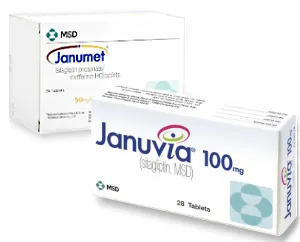
 A class of type-2 diabetes drugs called incretin mimetics work by mimicking the incretin hormones that the body usually produces to naturally stimulate the release of insulin following a meal. Two studies were released that question whether incretin mimetic drugs increase the risk of pancreatitis.
Pancreatitis can be the precursor to developing pancreatic cancer. This may be the reason for the increasing number of lawsuits against the drug makers of Byetta, Januvia, Janumet and Victoza for failing to adequately warn its users about the risk of pancreatic cancer.
The two studies were published in the British Medical Journal. One study revealed that Chinese researchers checked the data from different clinical trials which involved 700,000 patients. Though they were not able to establish link between incretin mimetics and pancreatitis, the researchers were quick to point out that the clinical trials were not originally done to look for such risk.
“Our findings should be interpreted cautiously. Although we included a large number of randomised trials, those trials were typically designed for testing efficacy. Many had relatively small sample sizes and relatively short follow-up. Because pancreatitis is rare and the event rates low, the confidence intervals around relative effects are wide, leaving the possibility of an undetected increase in risk,” the researchers concluded.
Another study compared type-2 diabetes patients taking incretin mimetics with those taking Metformin, a different diabetes drug. Researchers then looked at the risk of acute pancreatitis. Again, just like the first study, this one also did not find an increase in the risk of pancreatitis among users of incretin mimetics. Researchers, however, cautioned that their findings do not rule out the possibility of a causation link.
“Our results, however, contrast with those of a recent case-control study, in which current and recent use (between 30-days and two years before the event) of incretin based drugs was significantly associated with an increased risk of acute pancreatitis,” the study stated.
Researchers from hospitals in Canada and France analyzed data from more than 70,000 patients taking either incretin mimetics or Metformin from January 2007 to March 2012. They found that 1.45 patients out of every 1,000 taking incretin mimetics were diagnosed with acute pancreatitis.
The researchers concluded that additional studies are needed to confirm these findings.
Concerns even before the two studies were already growing. In February 2013, researchers from John Hopkins University in Baltimore found that ingesting Januvia or Byetta can allegedly double the risk of pancreatitis, posing concerns that this could also mean the risk of pancreatic cancer.
In March 2013, the link of pancreatic cancer from Januvia, Byetta and other incretin mimetics gained more attention after another study was published in the medical journal Diabetes. The study revealed that pancreas tissue from organ donors found that those who took an incretin mimetic were more likely to have increased pancreatic mass and precancerous cells.
It was at this point that the U.S. Food and Drug Administration and European drug regulators launched an investigation to assess the risks allegedly associated with Byetta, Januvia and other incretin mimetic drugs. Both agencies, however, ended their investigation in August 2013, concluding that the data they had at that time was not enough to confirm an increased risk of pancreatic cancer.
Incretin Mimetic Cancer Lawsuits
Currently, there are more than 300 Byetta, Januvia, Janumet, and Victoza lawsuits filed throughout America in the federal court system. These Januvia lawsuits allege that the plaintiffs were diagnosed with pancreatic cancer after using the diabetes drugs. The plaintiffs allege that the drug companies failed to adequately research the medications or warn about the potential Januvia side effects.
These Januvia lawsuits have been consolidated into multidistrict litigation (MDL) to prevent duplicate discovery, conflicting pretrial rulings from different judges, and to serve the convenience of all parties, witnesses and the courts. The diabetes drug MDL is centralized in the Southern District of California.
In general, Januvia pancreatic cancer lawsuits are filed individually by each plaintiff and are not class actions.
Do YOU have a legal claim? Fill out the form on this page now for a free, immediate, and confidential case evaluation. The attorneys who work with Top Class Actions will contact you if you qualify to let you know if an individual lawsuit or class action lawsuit is best for you. Hurry — statutes of limitations may apply.
ATTORNEY ADVERTISING
Top Class Actions is a Proud Member of the American Bar Association
LEGAL INFORMATION IS NOT LEGAL ADVICE
Top Class Actions Legal Statement
©2008 – 2026 Top Class Actions® LLC
Various Trademarks held by their respective owners
This website is not intended for viewing or usage by European Union citizens.
Get Help – It’s Free
Join a Free Januvia, Janumet, Byetta, Victoza Cancer Class Action Lawsuit Investigation
If you or your loved one took Januvia, Victoza, Janumet or Byetta and were diagnosed with pancreatic cancer or thyroid cancer, you have a legal claim. See if you qualify by filling out the short form below.
An attorney will contact you if you qualify to discuss the details of your potential case at no charge to you.
Oops! We could not locate your form.












One thought on Januvia, Byetta, Janumet, Victoza Link with Pancreatitis Questioned